
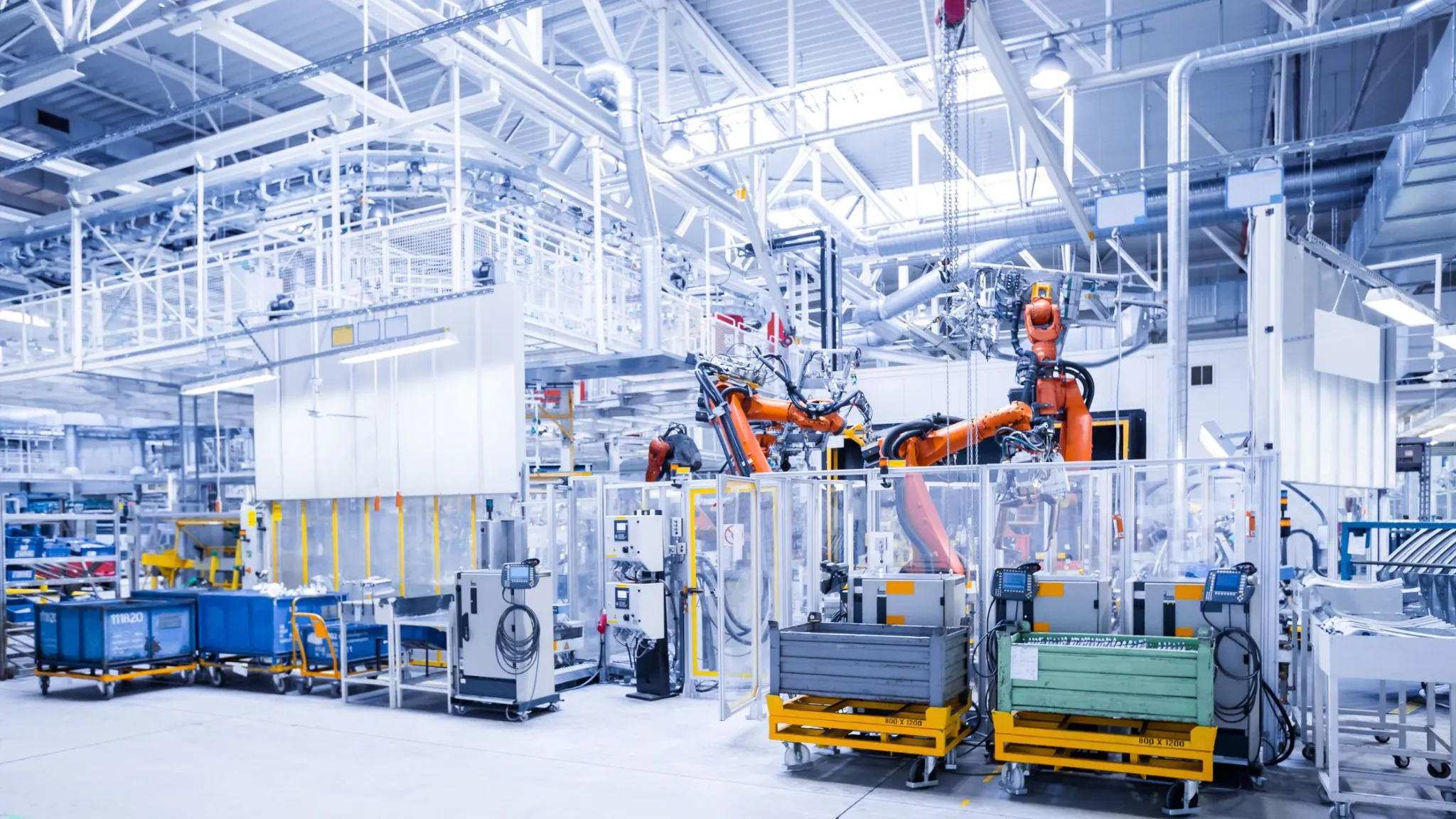
Modern manufacturing relies on a wide range of specialized components that enable machines to operate reliably, safely, and efficiently across demanding production environments. Understanding the function of key industrial component categories helps engineers, procurement teams, and maintenance professionals make better decisions about specification, sourcing, and maintenance. The right components reduce downtime, improve process consistency, and extend the service life of the equipment they support.
Seals and Gaskets for Fluid and Gas Containment
Seals and gaskets are among the most widely used components in manufacturing, appearing across hydraulic systems, pneumatic circuits, pumps, engines, and process piping. Their function is to prevent the unintended passage of fluids or gases between mating surfaces under pressure. Selecting the correct seal material for the operating temperature, pressure, and chemical environment ensures reliable containment over the expected service life. Seal failures are a common source of unplanned downtime and environmental incidents in manufacturing, making correct specification and regular inspection critical.
Flexible Connectors and Expansion Elements
Rigid connections between machine components cannot accommodate the thermal expansion, vibration, and dynamic movement that industrial equipment generates during operation. Flexible connectors and expansion elements absorb these forces and protect connected systems from the accumulated stress that leads to fatigue failure. An industrial bellows manufacturer produces precisely engineered flexible elements used in applications ranging from exhaust systems and HVAC ducts to precision motion stages and fluid transfer lines. Correct specification of these components for each application’s movement range and environmental conditions is essential for reliable long-term performance.
Bearings and Linear Motion Components
Bearings support rotating and linear motion across virtually every category of industrial machinery. Rolling element bearings, plain bearings, and linear guides each address different load configurations, speed requirements, and precision demands. Selecting the correct bearing type and specification for each application prevents premature failure from overloading, misalignment, or inadequate lubrication. Bearing failures often cascade into damage of surrounding components, making correct selection and scheduled replacement a high-priority maintenance practice in any production facility.
Fasteners and Structural Hardware
Industrial fasteners hold together the structural and mechanical assemblies that form manufacturing equipment and production infrastructure. Fastener specification must account for load type, environmental exposure, material compatibility, and required service life. Under-specified fasteners loosen, corrode, or fail under load, creating safety hazards and production disruptions. High-strength, corrosion-resistant fasteners specified correctly for each application provide reliable structural integrity across the service life of the equipment.
Sensors and Instrumentation Components
Modern manufacturing processes rely on sensors and instrumentation to monitor temperatures, pressures, flow rates, positions, and speeds in real time. These components feed data to control systems that regulate process parameters, trigger alarms, and enable automated responses to changing conditions. Sensor accuracy and reliability directly affect the quality and consistency of the manufacturing process. Calibrating sensors on schedule and replacing components that drift outside specification maintains the measurement integrity that automated process control depends on.
Conclusion
Industrial components are the foundation of reliable manufacturing performance. Correct specification, disciplined procurement, and systematic maintenance of seals, flexible elements, bearings, fasteners, and sensors determine whether production equipment operates at its designed capability or delivers inconsistent, failure-prone performance. Investing in quality components and managing them properly is one of the highest-return priorities in any manufacturing operation.